


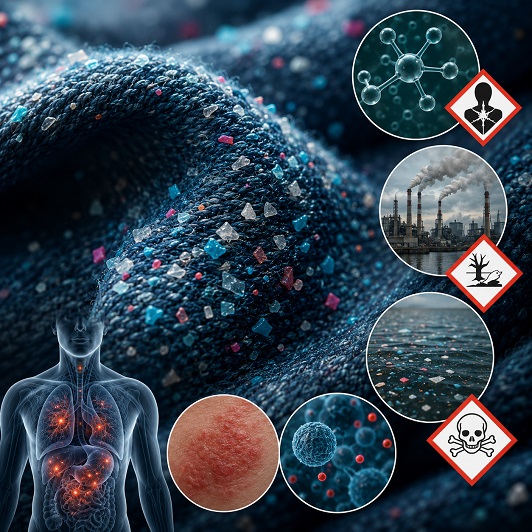
A new mobile app called Wove is aiming to bring ingredient-style transparency to clothing, allowing shoppers to check garments for potential PFAS chemicals, microplastic risks and other hidden concerns before making a purchase.
Why Wove Has Been Created
Consumers have become increasingly accustomed to checking ingredients in food, cosmetics and household products. Clothing, however, remains one of the least transparent consumer categories despite spending most of the day in direct contact with the body.
Wove, a North Carolina-based consumer technology startup focused on clothing transparency, allows users to upload a product photo, screenshot, clothing label, shopping URL or product description. The Wove app then analyses the garment and produces a score based on factors including fibre composition, microplastic shedding potential, PFAS concerns and overall sustainability. According to the company, its goal is to reveal "the information brands don't put on the label" and provide "transparency you can trust".
The company is also keen to stress its independence, stating: "No manufacturer or brand can influence the scores or recommendations Wove provides. Every grade is earned, never purchased." That positioning reflects growing consumer scepticism around sustainability claims and greenwashing across the fashion industry.
The Growing Concern Around Synthetic Fabrics
Growing awareness of microplastics and chemical exposure is helping to drive interest in tools such as Wove. According to figures cited by the company, synthetic fibres represented around 73 per cent of global fibre production in 2023, up from approximately 45 per cent in 1996. Polyester alone now accounts for more than half of all fibre production worldwide.
Microplastics are tiny plastic particles released as synthetic fabrics wear and are washed. These particles can enter waterways, oceans and ecosystems, contributing to a growing environmental challenge. PFAS chemicals, often used to provide water and stain resistance, have attracted increasing regulatory attention because they persist in the environment for extremely long periods and have been linked by researchers to a range of potential health concerns.
Despite growing awareness of microplastic pollution, research cited by Wove suggests many consumers still do not associate their clothing with the issue. A 2025 survey found that only 42 per cent of consumers who were aware of microplastics connected them directly to clothing, highlighting the knowledge gap the app is designed to address.
Regulation Is Adding Momentum
The launch also comes at a time when regulators are paying closer attention to chemicals used in textiles.
France introduced a ban on PFAS in textiles from January 2026, California already restricts intentionally added PFAS in clothing, and the European Union is tightening controls on related substances under its REACH chemicals framework. At the same time, public awareness has increased following documentaries such as Netflix's The Plastic Detox, which highlighted concerns around microplastics, synthetic materials and chemical exposure.
Wove founder Emily Hemphill says the platform was inspired by the fact that many people have already made changes to areas such as food, drinking water and skincare products, while "clothing is often the last blind spot".
Similar Services
Wove is not the only company attempting to improve transparency within the fashion industry, although its focus on chemical and microplastic exposure appears relatively distinctive.
Apps such as Good On You allow consumers to assess fashion brands based on environmental, labour and animal welfare criteria, helping shoppers compare thousands of brands using independent sustainability ratings. Other platforms such as Renoon focus on helping consumers discover products with stronger sustainability credentials, while services such as Save Your Wardrobe aim to extend garment life through repair, care and circular economy initiatives.
What sets Wove apart is its focus on the composition of individual garments rather than the sustainability performance of brands as a whole. By analysing specific products, it attempts to provide consumers with a more detailed understanding of what they are actually wearing and what environmental or health concerns may be associated with those materials.
What Does This Mean For Your Organisation?
The emergence of tools such as Wove reflects growing demand for transparency across supply chains. Consumers, regulators and investors increasingly want clearer information about the materials used in products and their environmental impact, and technology is making it easier than ever for people to access that information for themselves.
For clothing brands, retailers and manufacturers, this trend could increase pressure to provide more detailed information about fibre composition, chemical treatments and sustainability performance. Products that once relied on broad claims such as "eco-friendly" or "sustainable" may increasingly face scrutiny from consumers who expect more specific evidence about what materials are being used and how those materials affect health and the environment.
UK businesses should also view developments such as Wove in the context of wider sustainability and regulatory trends. As governments continue to tighten rules around chemicals, environmental reporting and product transparency, organisations that can clearly explain the contents and environmental impact of their products are likely to be better placed than those that cannot. Whether Wove itself becomes widely adopted remains to be seen, but the direction of travel is becoming increasingly clear: consumers are beginning to expect the same level of transparency from clothing that they already expect from food, cosmetics and other everyday products.